
The "Curb-Cut Effect" at Work: How Designing for Specific Needs Benefits Everyone

Every aspect of society we enjoy today has come about as a result of affirmative action. This is true for workplace design. And it’s not just about aesthetics, it’s about creating environments where people can thrive.
One powerful principle that illustrates this is the curb-cut effect. Originally coined in urban design, it refers to how accommodations made for specific groups end up benefiting everyone. Think of sidewalk curb cuts: designed for wheelchair users, they also help parents with strollers, travelers with luggage, and even cyclists. This principle extends beyond physical spaces. For example, closed captions were initially created for people with hearing impairments but now assist viewers in noisy environments and language learners.
Similarly, voice-activated assistants were designed to help those with mobility challenges but have become widely used by many for convenience. Even workplace policies like flexible hours, initially intended to support caregivers, have improved work-life balance for a broad range of employees. These examples show how thoughtful design for specific needs often leads to innovations that enhance experiences for all users.
In the workplace, the same principle applies. When organizations implement policies or spaces tailored to specific needs, the ripple effects often enhance productivity, well-being, and retention across the board.
- Designing for Seniors: Lyft's Approach
- Lyft prioritized simplicity and ease of use by designing its app with seniors in mind.
- This focus forced the company to prioritize what truly matters in the user experience: clarity, minimalism, and accessibility.
- The result was a more intuitive app that benefits all users, not just seniors.
- This example highlights how designing for specific needs can lead to innovations that improve the experience for everyone, reinforcing the curb-cut effect in digital product design.
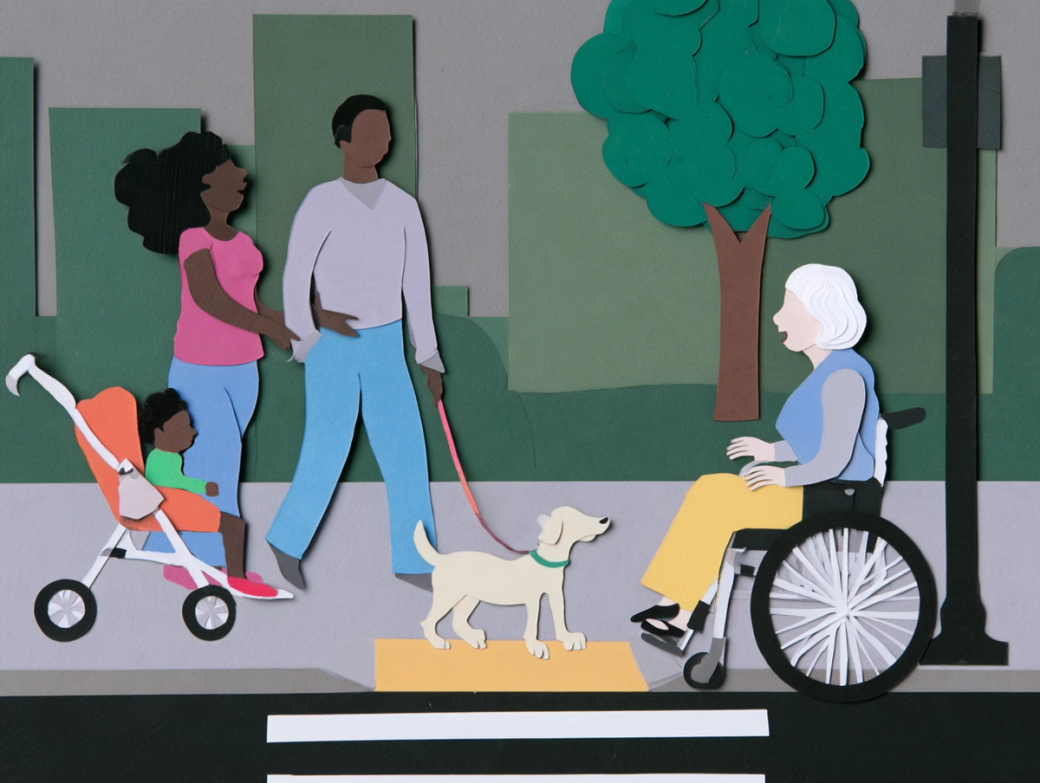
Examples of the Curb-Cut Effect at Work
- Flexible Hours
- Designed for parents or caregivers who need nontraditional schedules.
- Benefits: reduces burnout, accommodates different energy peaks, and supports global collaboration across time zones.
- Quiet Zones & Focus Rooms
- Created for neurodiverse employees or those sensitive to noise.
- Benefits: everyone gains a space to recharge, concentrate deeply, or escape the open-office buzz.
- Remote Work Options
- Initially framed as an accessibility measure for employees with mobility challenges.
- Benefits: expands talent pools, reduces commuting stress, and boosts overall job satisfaction.
- Inclusive Communication Tools
- Captioning in meetings or accessible documents designed for employees with hearing or visual impairments.
- Benefits: clearer communication, better record-keeping, and improved collaboration for all.
Why Does this Matter for Organizations
- Boosts Productivity: Employees perform better when they can work in ways that suit their strengths.
- Enhances Retention: Accommodations signal care and inclusivity, making people more likely to stay.
- Drives Innovation: Diverse perspectives flourish when barriers are removed, leading to creative problem-solving.
- Strengthens Culture: A workplace that values accessibility fosters trust, belonging, and resilience.
The curb-cut effect reminds us that designing for the margins improves the mainstream. By prioritizing accessibility and inclusivity, organizations don’t just support specific groups—they unlock benefits that ripple across the entire workforce.
How to Spot Curb Effects in the Modern World
- Text-to-Speech Apps - Originally designed to assist individuals with visual impairments, these apps now help busy professionals, language learners, and multitaskers consume content hands-free.
- Audiobooks - Created for those who struggle with traditional reading, audiobooks have become popular for commuters and anyone looking to enjoy books on the go.
- Wider Doorways and Automatic Doors - Built to accommodate wheelchair users, these features also benefit parents with strollers, delivery personnel, and travelers with luggage.
- Closed Captions and Auto-Subtitles - Initially intended for people with hearing impairments, captions now aid viewers in noisy environments, language learners, and those watching videos without sound.
- Comfortable Grip Kitchen Tools - Designed for people with arthritis or limited hand strength, these tools make cooking easier and more comfortable for everyone.
The curb-cut effect extends far beyond the workplace. The best cities are not defined by their skyscrapers or bustling business districts, but by the thoughtful small design choices that improve everyday life for all residents.
Simple innovations like separate bins for biodegradable and non-biodegradable waste, traffic lights with audio support for the visually impaired, and accessible emergency services demonstrate how inclusive design benefits everyone, creating environments that are truly welcoming and functional for all.